

Share this
by Surefront on Aug 21, 2025, 3:57:41 PM
Home > Blog > Where Fashion Workflows Break Down
Table of Contents
- The Hidden Costs of Fragmented Workflows
- Why Excel and Email Aren’t Enough
- What Walmart, Levi’s, and Target Teach Us
- Moving Forward: Visually Connected Workspaces

Why Merchandising Moves Too Slowly
Every merchandiser knows the feeling. A season’s collection is planned, samples are coming in, and deadlines are etched into the calendar. But somewhere in the process, usually between a spreadsheet and a supplier’s inbox, the wheels start to wobble. Color codes don’t match. Sizes are missing from a PO. A key vendor never saw the updated spec sheet. And suddenly, a three-week delay is unavoidable.
In the retail industry, time is not just money it’s survival. Consumers expect fast product cycles, newness on demand, and seamless shopping experiences whether they’re in-store or online. Meanwhile, brands like Zara and Shein have made speed-to-market their competitive weapon, collapsing design-to-shelf timelines into weeks instead of months. For legacy retailers, the pressure is relentless.
Yet most fashion merchandising workflows are still held together by the same patchwork of tools used 20 years ago: Excel sheets, email chains, and siloed PLMs that were never built for merchandising teams in the first place. The result? Bottlenecks that frustrate teams, stall decisions, and leave millions of dollars in revenue on the table.
This blog takes a closer look at why fashion workflows so often break down, the hidden costs of operating in silos, and how leading retailers are rewriting the playbook for collaboration and speed.
The Hidden Costs of Fragmented Workflows
At first glance, a missed approval or a late vendor response doesn’t seem catastrophic. But when these small breakdowns accumulate across thousands of SKUs, dozens of suppliers, and multiple regions, the impact becomes massive.
SKU Errors and Corrections
One of the most common workflow pain points is SKU errors. A buyer may be working from one spreadsheet version while a supplier updates another. By the time the PO hits the system, a colorway is mislabeled or a size run is missing. Gartner estimates that up to 30% of product data in retail systems is inaccurate. For fashion, where assortments hinge on precision, those errors cascade quickly. A mislabeled size isn’t just a data problem...it’s unsellable inventory on a shelf.
Vendor Communication Breakdowns
Retailers depend on vendors for everything from raw materials to finished goods. Yet much of this collaboration still happens through long, disorganized email chains. According to McKinsey, nearly 70% of sourcing delays stem from poor communication and alignment with suppliers. One missed email can set back an entire production cycle.
Manual Rework
Perhaps the most insidious cost is manual rework. Category managers and merchandisers spend hours every week re-entering the same data across disconnected systems like PLMs, ERPs, PIMs, and quote sheets. This not only eats into productivity but also multiplies the risk of errors.
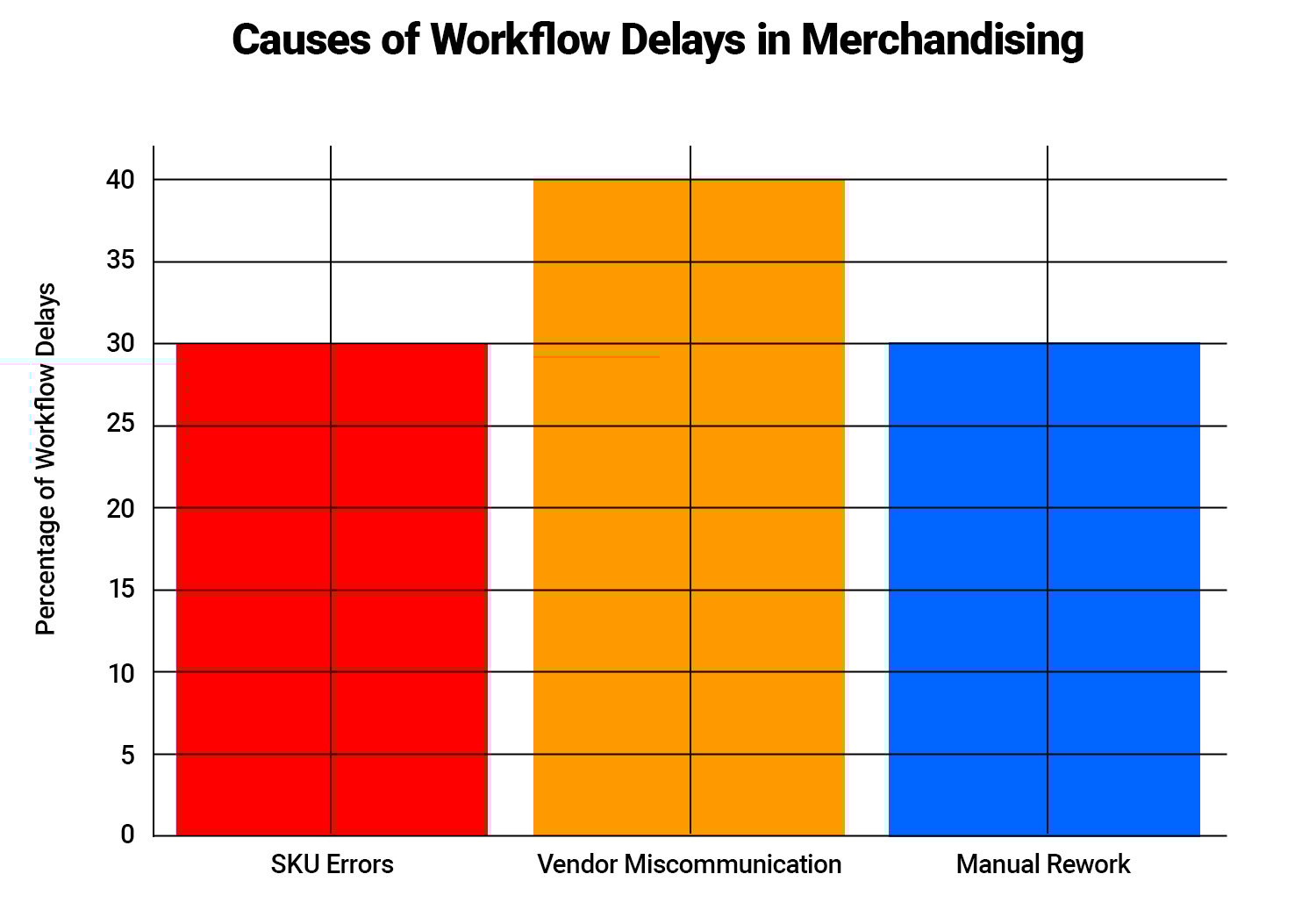
Together, these inefficiencies create a domino effect: missed buying windows, late assortments, frustrated vendors, and customers who simply shop elsewhere.
Why Excel and Email Aren’t Enough
Excel and email were never meant to be the backbone of fashion merchandising. And yet, for most teams, they remain the default.
Excel is powerful for numbers but static for collaboration. Once shared, it becomes a snapshot outdated the moment another edit is made. For line planning, assortment management, and quotesheets, this limitation creates constant version-control battles.
Email, on the other hand, fragments information. Vendor updates, buyer comments, and approval notes all pile up in inboxes, often without clear ownership or accountability. Context is lost, and team members waste hours digging for the “latest” version of a conversation.
Even traditional PLMs fall short. Many are designed with product developers in mind, not buyers and merchandisers. They capture data, but they don’t streamline the back-and-forth collaboration that actually drives decisions forward.
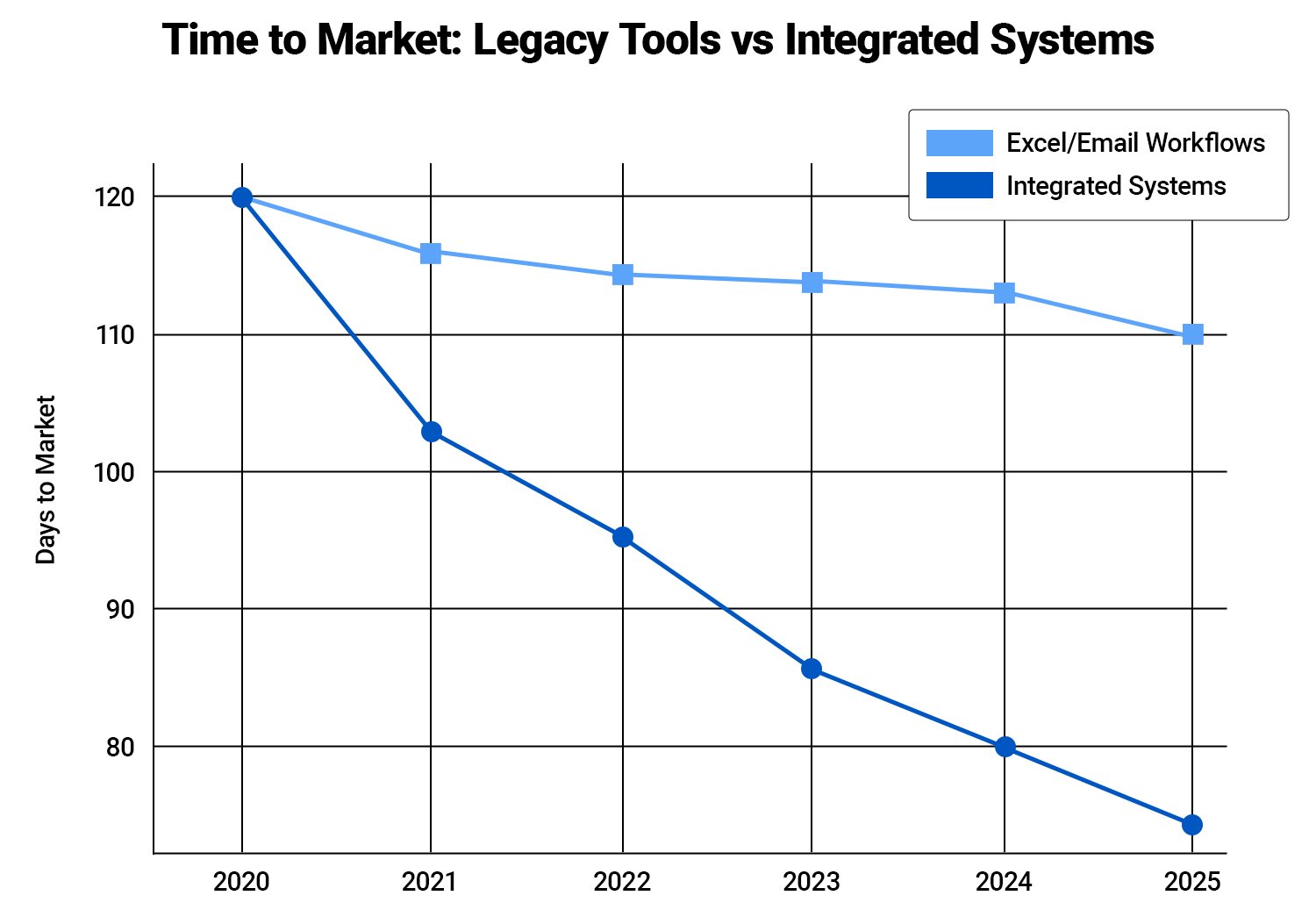
The result is an endless cycle of duplicated work, delayed approvals, and preventable errors. For fashion retailers, this inefficiency is not just inconvenient—it’s existential.
What Walmart, Levi’s, and Target Teach Us
If workflow breakdowns are the problem, what does success look like? A few industry leaders provide the answer.



These brands demonstrate that the future of fashion merchandising is not about working harder but working smarter with systems that connect teams, standardize data, and eliminate bottlenecks.
Moving Forward: Visually Connected Workspaces
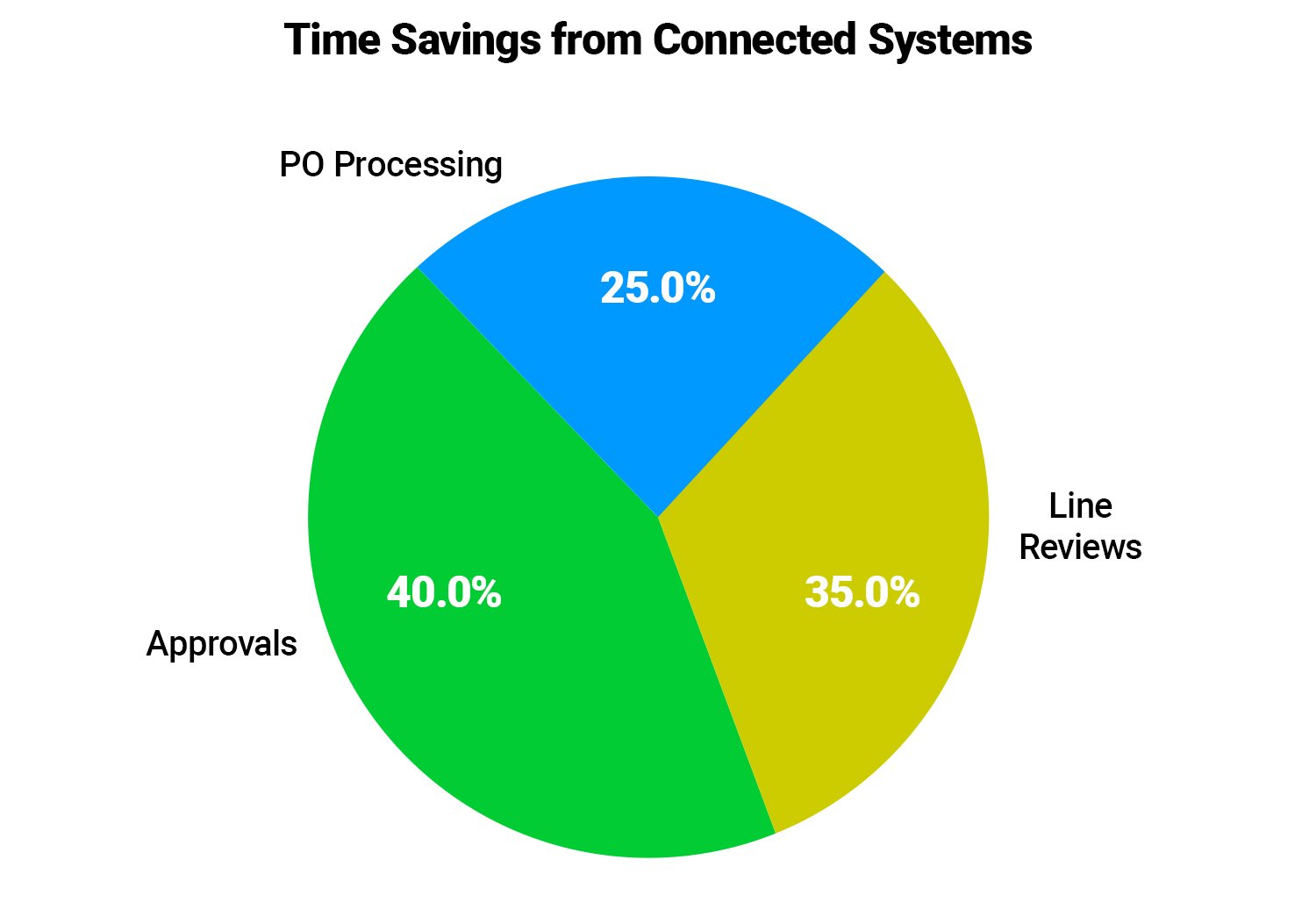
So, if Excel and email represent the past, and siloed PLMs the present, what’s next? The answer lies in connected, visual-first workspaces purpose-built for retail merchandising.
Imagine a buyer reviewing an assortment not as a static deck but as a dynamic, real-time workspace where every SKU is tied to accurate product data. A category manager flags a needed update, and the vendor sees it instantly. No chasing down an email thread. An executive logs in and sees dashboards with live performance metrics, not manual rollups.
This is more than efficiency. It’s accuracy, speed, and comp growth. In today’s retail landscape, the brands that thrive will be those that can collapse decision-making cycles, eliminate data silos, and empower teams to collaborate seamlessly.
📘 Download The Complete Guide to Smarter Fashion Merchandising to see how leading retailers are building the next generation of merchandising operations.
Further Reading
What is Fashion Product Lifecycle Management (PLM)
The Ultimate Guide to a Perfect Line Sheet
Transforming Your Catalog Management with PIM
Catalog Management Unlocks Hidden Potential
Building a Strong Core: Transforming Your Catalog with PIM
References
- Gartner (2024) PLM Software in Discrete Manufacturing Industries.
- McKinsey & Company (2024) Fashion’s Digital Transformation: Now or Never.
- Retail Dive (2022) Why small fashion and retail businesses should embrace PL
- Centric Software (2024) Streamline Product Development for Emerging Brands
- The Economist (2024) How Walmart became a tech giant—and took over the world
