

Share this
by Surefront on Oct 2, 2025, 3:03:25 PM
Home > Blog > Brands That Move Markets: Lessons from Retail Leaders
Table of Contents
Luxury as Market Power: LVMH
Purpose as Strategy: Patagonia
Innovation as Growth: Nike
Speed as Differentiation: Zara
Consistency as Trust: Target
Data as Disruption: Shein
Closing the Gap for Every Retailer
The Future of MerchOps
Why Some Brands Set the Pace
In retail, some companies compete for shelf space, and others define the shelf itself. These are the brands that move markets. Their merchandising operations (MerchOps) don’t just respond to consumer demand; they create it.
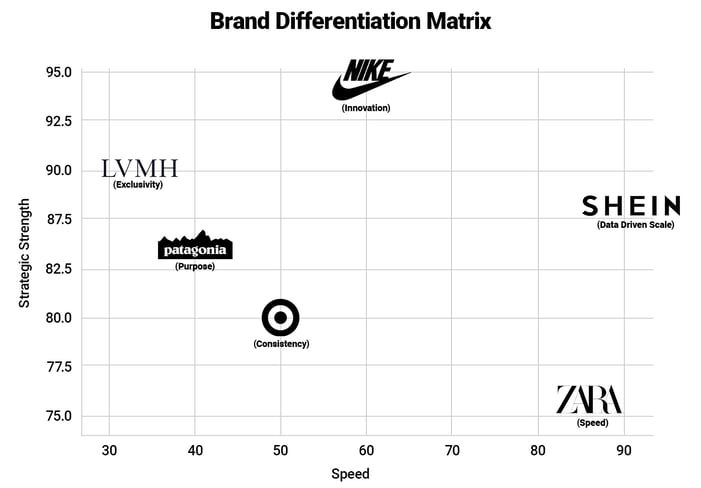
Whether through exclusivity, speed, sustainability, or omnichannel consistency, leaders like LVMH, Patagonia, Nike, Zara, Target, and Shein have mastered the art of turning product catalogs, sourcing, and category management into strategic weapons. Their choices ripple across industries, forcing competitors to adapt.
For most companies still stuck in spreadsheets, scattered PLM systems, or siloed supplier collaboration tools, the gap feels daunting. But the truth is: what was once reserved for giants is now achievable for every retailer and supplier.
Luxury as Market Power: LVMH
Luxury is more than price, it’s precision. LVMH, parent of brands like Louis Vuitton, Dior, and Givenchy, doesn’t flood markets. It curates them. Products are released with meticulous storytelling and controlled distribution.
This creates scarcity and sustained desire. LVMH’s merchandising operations reflect an obsession with category management, assortment discipline, and PIM accuracy. Every SKU carries weight. Every launch reaffirms heritage.
By tightly controlling data, imagery, and supply chain timing, LVMH ensures that what enters its catalog is more than a product. It’s a cultural artifact.
For retailers in hardline goods, home, or FMCG, the lesson is clear: strategy isn’t volume, it’s precision.
Purpose as Strategy: Patagonia
While LVMH leans on heritage, Patagonia leans on purpose. Every merchandising decision reflects its values of durability, repairability, and environmental responsibility. Patagonia deliberately limits some assortments to highlight sustainability as a differentiator.
Product lifecycle management here isn’t just about efficiency. It’s about embedding values into the catalog itself. PIM systems ensure attributes like recycled content or supply chain sourcing aren’t lost in translation.
This reshapes consumer expectations. For B2B sales, suppliers who work with Patagonia understand they must align with strict data governance and category-specific sustainability requirements.
The lesson? Merchandising can communicate more than style. It can reflect ethics and win customer loyalty across generations.
Innovation as Growth: Nike
Few companies wield merchandising like Nike. Each new product release is not just a drop, it’s a cultural event. Athlete partnerships, limited editions, and seamless digital-to-store launches make Nike a category leader.
Behind the storytelling is MerchOps discipline. Nike’s DAM systems ensure product imagery and assets are flawless across Ecommerce, mobile, and in-store. PLM and PIM systems guarantee assortments are consistent from design to delivery.
Nike proves that catalogs are not administrative archives. They are launchpads for innovation.
Speed as Differentiation: Zara
Zara changed the rules of fashion by redefining speed. Its design-to-store cycle is measured in weeks, not months. This agility relies on real-time supplier collaboration, PLM precision, and live catalog updates.
Every update to Zara’s catalog is both responsive to data and predictive of customer demand. This is not traditional merchandising, it’s MerchOps in hyperdrive.
Consistency as Trust: Target
In the world of omnichannel retail, consistency is everything. Target has mastered the ability to align catalogs, pricing, and promotions across physical stores, apps, and Ecommerce platforms.
Behind the scenes, this requires Master Data Management (MDM) and Category Management (Catman) systems to ensure that when a product is updated, it updates everywhere.
This builds customer trust. Consumers know that Target’s assortment and promotions will match no matter how they shop. That trust translates into loyalty, margin protection, and comp growth.
Data as Disruption: Shein
If Zara made speed the story, Shein has turned data into a weapon. The company analyzes real-time social media searches, browsing behaviors, and micro-trends, creating thousands of SKUs weekly.
Its catalog isn’t static, it’s algorithmic. Every product added is a data-driven bet. PLM, PIM, and MDM are integrated so tightly that Shein’s product lifecycle is compressed into days.
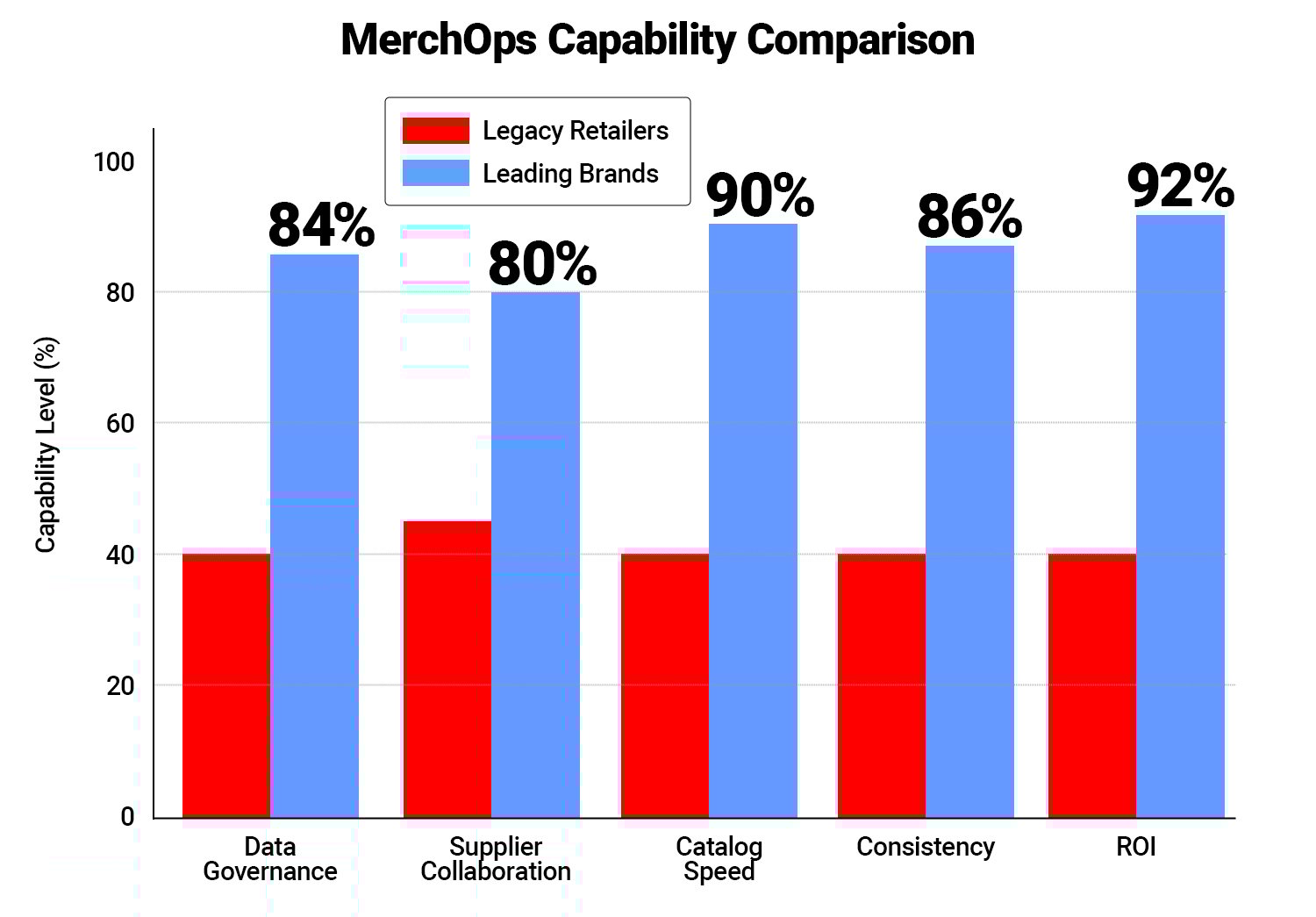
For suppliers and retailers alike, the message is clear. Without unified data systems and live catalogs, keeping up is impossible.
Closing the Gap for Every Retailer
The six brands above span different industries: luxury, outdoor, athletic, fast fashion, mass market, and data-driven disruptors. But their merchandising strategies share one truth: merchandising is not execution, it’s strategy.
And here’s the good news: the technology to support this shift is no longer reserved for giants. Platforms like Surefront integrate PLM, PIM, DAM, CRM, and supplier collaboration tools into a single MerchOps hub.
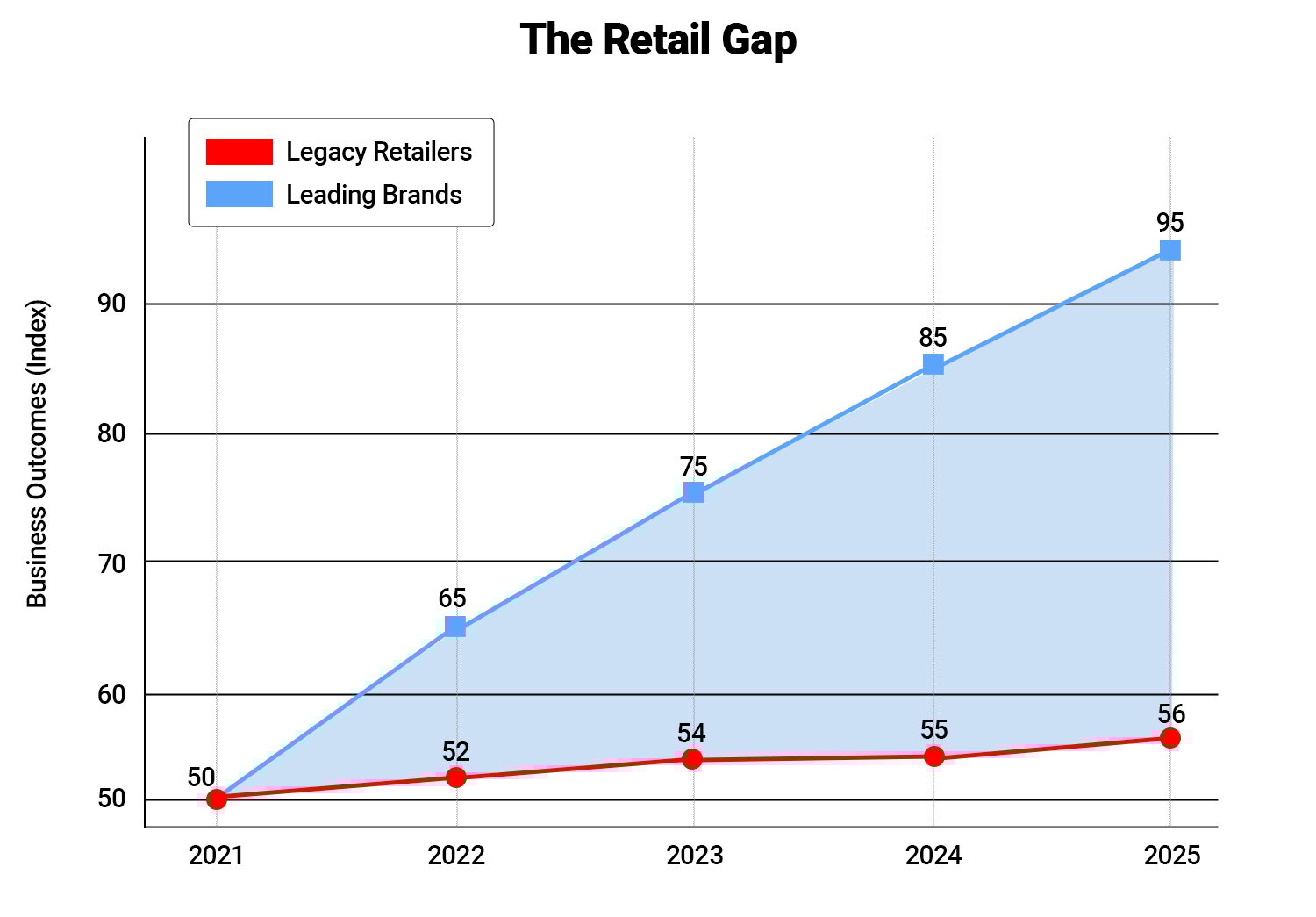
The path forward isn’t about copying Zara or Nike. It’s about equipping your teams with the data accuracy, speed, and collaboration tools that make market-shaping strategy possible.
The Future of MerchOps
The next generation of retail winners will not be those who react fastest, but those who create markets. MerchOps platforms will empower even mid-size wholesalers, suppliers, and category managers to play at the level of Nike or Target.
Catalogs won’t be static records. They will be dynamic engines of growth.
For Chief Merchandising Officers, Divisional Managers, suppliers, and product developers, the question is simple: are you ready to move from execution to market leadership?
Further Reading
The Complete Guide to Strategic Merchandising Operations (MerchOps)
The New Rules of Fashion Merchandising
Sell Using Strategy, Not Just Execution
Measuring What Matters: The Key Metrics for Catalog Success
The Complete Guide to Visual Merchandising and Assortment Planning
References
- Observer (2025) How Shein Stays So Fast, According to the Brand’s Strategy Head
- YUP (2025) Zara: The Fast Fashion Giant’s Winning Strategy
- Harvard Business (2024) Making Omnichannel Work for Luxury Retail
- Censhare (2025) Why Integrated MRM, DAM & PIM Matter in Retail
- Centric (2025) PIM vs DAM
- Canto (2025) Top 10 benefits of DAM and PIM
