

Share this
by Surefront on Aug 27, 2025, 10:33:45 AM
Home > Blog > How Modern Merchandising Platforms Fix Fashion Workflows
Table of Contents
- What Merchandisers Actually Need (and Don’t Get Today)
- The Core Pillars of Smarter Fashion Workflows
- Real-World Brand Transformations
- The Human Impact: A Day in the Life
- Why Merchandising Needs MerchOps (Not Just PLM)

From Frustration to Flow
Every merchandiser has faced it: chasing down updates across six spreadsheets, hunting for feedback buried in emails, or waiting weeks for a vendor to confirm a change that should’ve taken minutes. The frustration is real! And it costs teams more than just time.
If Blog 1 and Blog 2 diagnosed the problem—outdated systems and broken workflows—then Blog 3 asks a new question: What does better look like? The answer is not another patchwork tool but a reimagined, connected merchandising platform designed for the realities of fashion.
What Merchandisers Actually Need (and Don’t Get Today)
The disconnect is stark. What merchandisers need—visual line planning, real-time buyer feedback, streamlined quotesheets, and re-usable templates—rarely exists in the tools they use today. Instead, most are stuck with static SKU tables, email threads, and rigid PLMs.
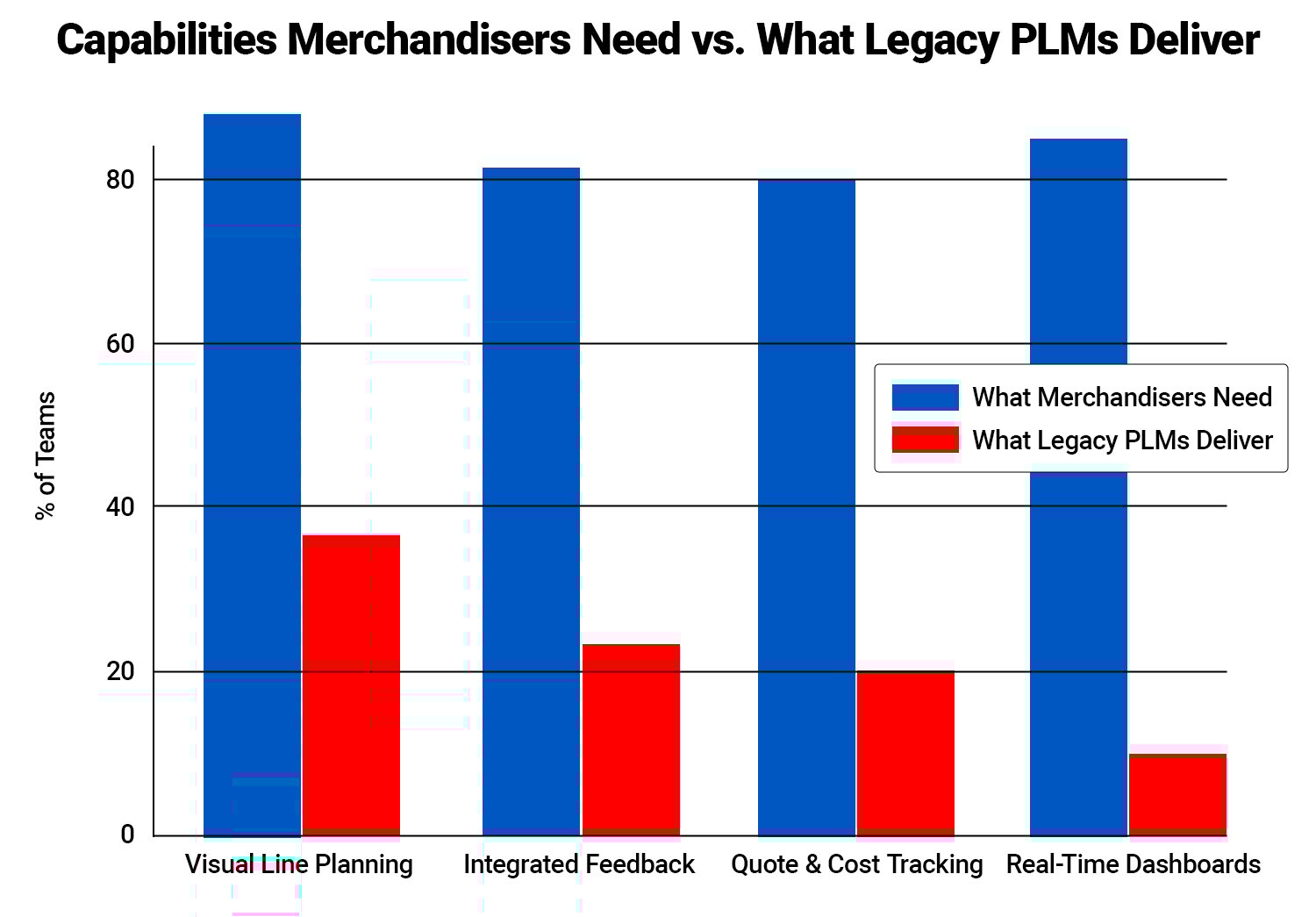 It’s no wonder workflows slow down. The gap between need and reality is where errors multiply and opportunities vanish.
The Core Pillars of Smarter Fashion Workflows
Modern merchandising platforms don’t just digitize processes. They reinvent them. From our interviews with merchandisers, designers, and sourcing leaders, five pillars emerged as non-negotiables:
Visual Line Planning
Merchandising is visual, yet too many teams still stare at SKU grids. Drag-and-drop assortments, grouped by region or season, allow teams to actually see and shape collections.
Integrated Feedback Loops
Feedback shouldn’t live in email. It should live next to the SKU it references, visible to designers, buyers, and sourcing managers in context.
Smarter Quote & Cost Tracking
No more juggling vendor spreadsheets. Side-by-side comparisons with automatic margin alerts let teams negotiate and act faster.
Carryover Libraries & Templates
Why rebuild what already exists? Smart libraries let merchandisers repurpose silhouettes, trims, and specs, reducing rework season after season.
Real-Time Dashboards & Alerts
Instead of waiting to be told what’s urgent, dashboards surface pending approvals, vendor updates, and margin risks automatically.
Real-World Brand Transformations
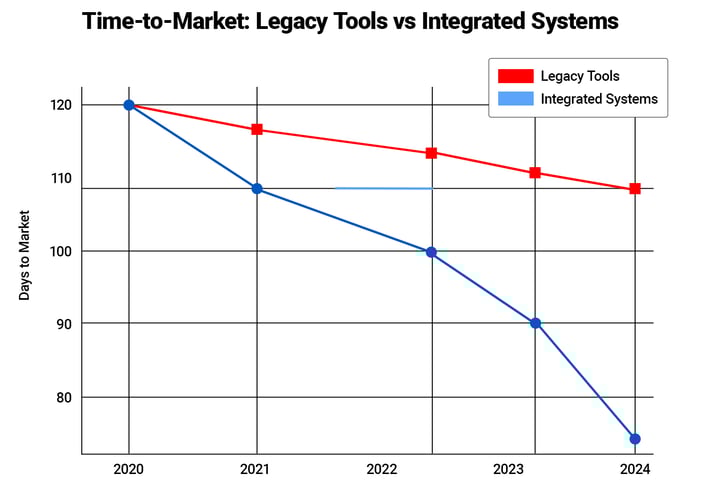
The difference isn’t theoretical. It’s already happening at some of the biggest retailers.


The Human Impact: A Day in the Life
Numbers matter, but so does experience. Picture Ava, a senior merchandiser navigating her day inside a connected workspace. Instead of scattered tools and endless rework, she moves with clarity, from her morning dashboard check to generating a polished line sheet before the day ends.
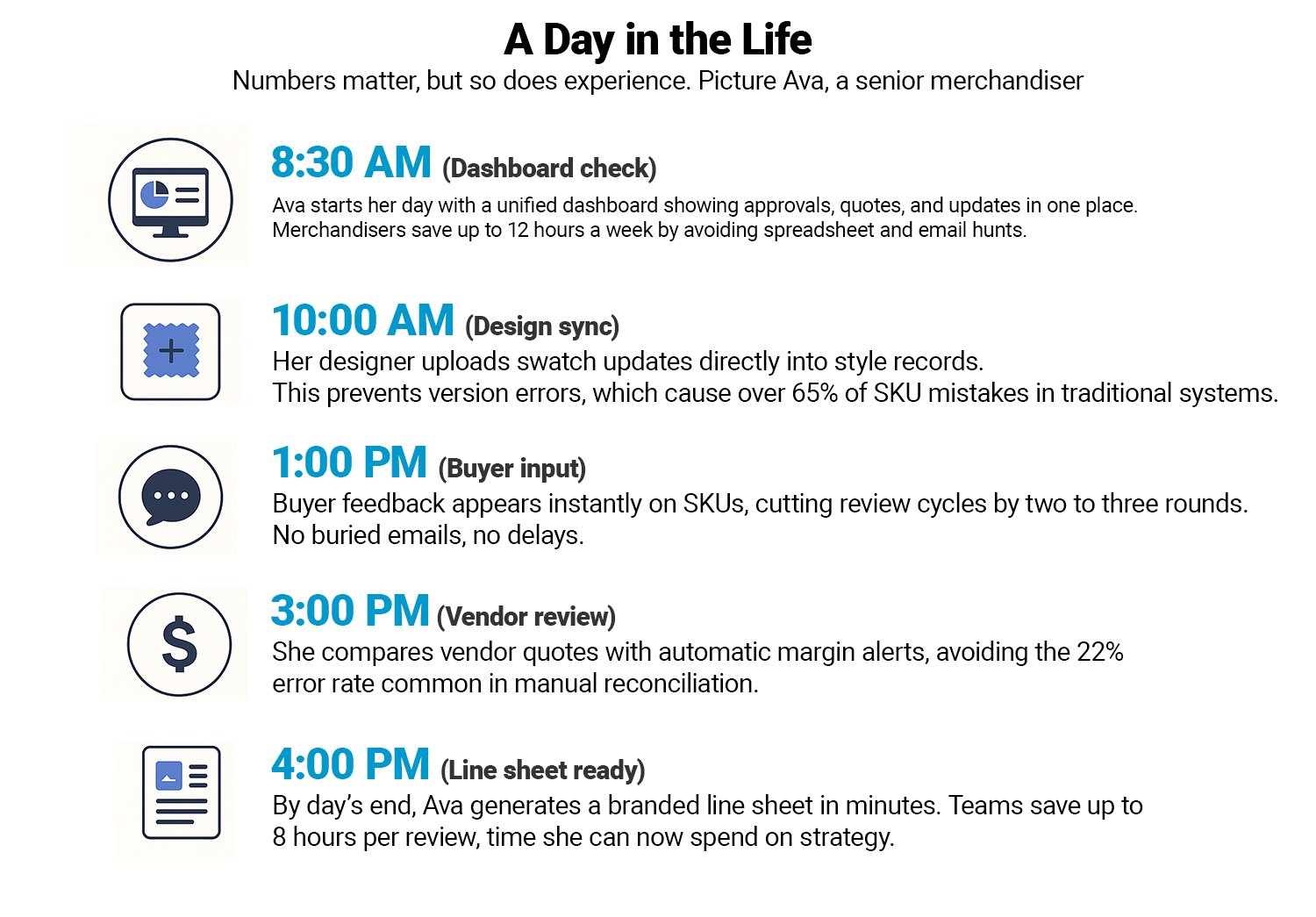
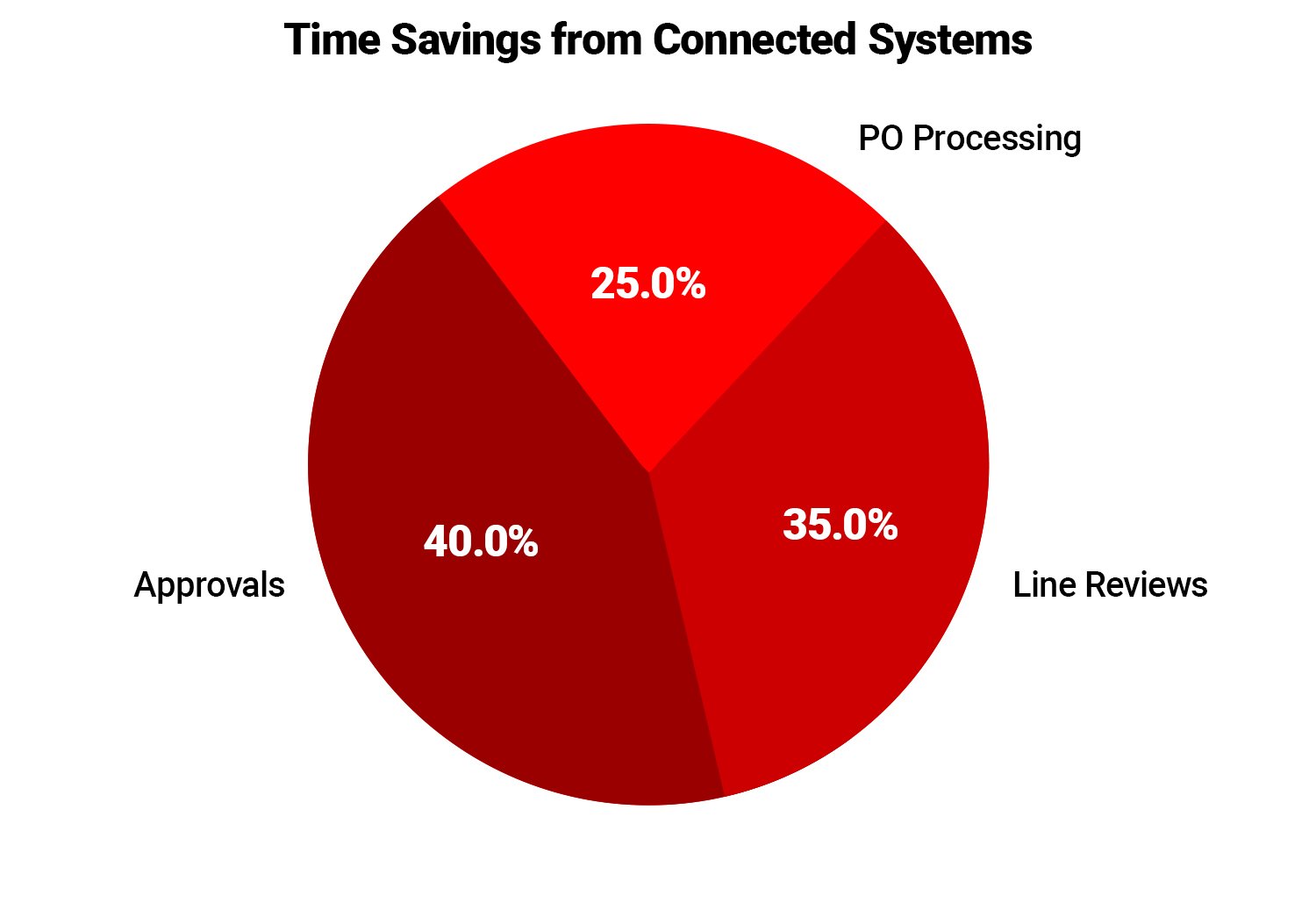
The takeaway isn’t just fewer errors. Across the industry, approvals, line reviews, and purchase order processing account for the biggest time drains. Connected merchandising systems streamline each of these, producing measurable results.
Why Merchandising Needs MerchOps (Not Just PLM)
Traditional PLM tools were built for engineers, not merchandisers. They track data but don’t enable the collaboration fashion requires. What’s emerging now is something bigger: MerchOps. A category designed for fashion’s reality.
MerchOps means:
- Visual-first planning instead of static tables
- Collaboration in context instead of email chains
- Connected suppliers instead of siloed spreadsheets
- Data that drives faster, smarter decisions
It’s not just a new tool. It’s a new operating model for the retail industry. One that empowers merchandisers to work at the pace of fashion, not the pace of legacy systems.
📘 Download The Complete Guide to Smarter Fashion Merchandising to see how leading retailers are building the next generation of merchandising operations.
Further Reading
What Is Fashion Product Lifecycle Management (PLM)?
Catalog Management Unlocks Hidden Potential
Building a Strong Core: Transforming Your Catalog with PIM
The Ultimate Guide to Line Sheets
References
- CFO Brew (2022). Nike's digital supply chain helps keep it running
- Informa (2020) H&M’s AI operation helps make its supply chain more sustainable
- Supplychain Online (2023) Nike's Remarkable Transformation
- Retail Boss (2024) 5 ways Sephora is innovating with technology
- Medium (2025) Big Data Then vs. Now: Zara’s Real-Time Analytics in Fast Fashion
