

Share this
by Surefront on Nov 22, 2024, 9:00:36 AM
Home > Blog > PLM Software Guide: How to Create Effective Line Sheets for Wholesale Success
Table of Contents
- What Is PLM Software and Why It Matters for Line Sheets
- Three Common Line Sheet Mistakes to Avoid
- Real World Examples from Leading Brands
- Three Strategies to Maximize Line Sheet Impact
- Further Reading
Line sheets can make or break wholesale relationships—and PLM software ensures you get them right every time.
Your line sheet is the first impression wholesale buyers get of your products. When product information is scattered across systems or outdated, creating professional line sheets becomes a time-consuming challenge that can cost you valuable partnerships.
PLM (Product Lifecycle Management) software centralizes your product data—specifications, pricing, SKUs, and imagery—so stakeholders can collaborate efficiently and create accurate, brand-consistent line sheets. In this guide, you'll discover how to avoid common line sheet pitfalls and leverage product data management to build wholesale trust and drive sales.
PLM software is a centralized data home where teams manage product information throughout the entire product lifecycle—from concept to sale.
For retail and wholesale brands, PLM software eliminates the data silos that slow down line sheet creation. Instead of chasing down the latest pricing from one spreadsheet and product specs from another, your sales team accesses one unified source of truth.
Surefront is a Unified Product Collaboration Platform with PIM, CRM, and PLM solutions. It serves as a centralized data home where stakeholders can freely share product information and assign access permissions. Most integrations are supported in Surefront, but none are needed—your team can work seamlessly whether meeting in-person or collaborating remotely.
With accurate, up-to-date product data at your fingertips, you can create line sheets that reflect your brand professionally and give buyers the confidence to place orders.
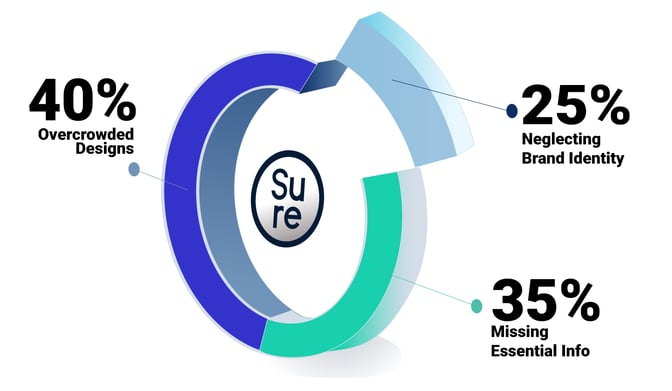
Even with the best product data management, line sheets can fail if you make these avoidable design and content mistakes:
Real-World Examples: What Top Brands Do Right
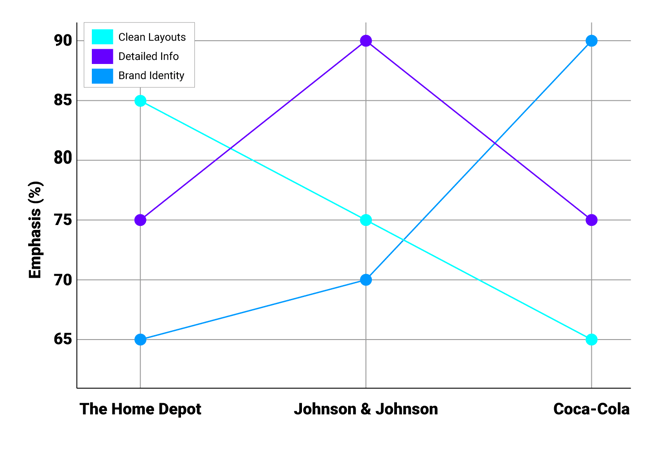
Leading wholesale and retail brands leverage centralized product data to create line sheets that win buyer trust. Here's how:



Three Strategies to Maximize Line Sheet Impact with PLM Software
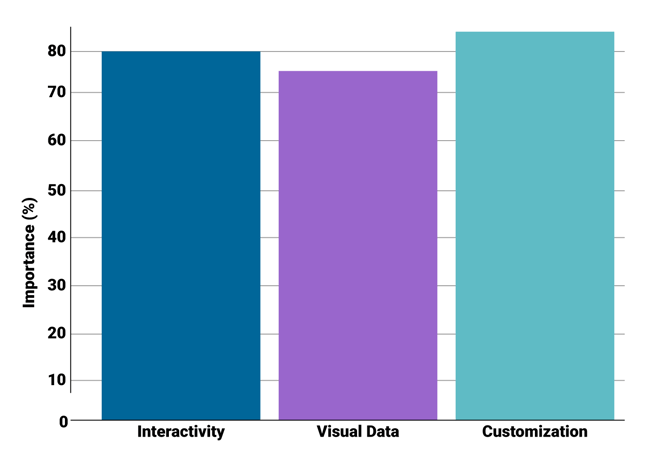
When your product data lives in a centralized platform, you unlock advanced line sheet capabilities that drive buyer engagement:
- Add Interactivity to Digital Line Sheets: Embed clickable links to detailed product pages, tutorial videos, or direct order submission forms. Interactive elements reduce friction and make it easier for buyers to act immediately.
- Visualize Data for Faster Decision-Making: Use infographics, comparison tables, and pricing tier charts to simplify complex information. Visual data helps buyers quickly understand product variants, MOQs, and volume discounts.
- Personalize Line Sheets for Specific Buyers: With role-based access permissions in your PLM system, you can tailor line sheets by buyer segment—highlighting recommended assortments, seasonal collections, or exclusive pricing. Personalization demonstrates attentiveness and strengthens buyer relationships.
Key Takeaway: PLM Software Powers Professional Line Sheets
Line sheets are dynamic sales tools—not static documents. When you centralize product data in PLM software, you eliminate errors, accelerate line sheet creation, and deliver a professional brand experience that wins wholesale buyers.
Avoid common mistakes like overcrowded layouts, missing information, and inconsistent branding. Instead, focus on clarity, interactivity, and data-driven features that help buyers make confident purchasing decisions.
Watch the Perfect Line Sheet in Action
Further Reading
PLM vs PIM Software: What is the Difference and Which Do You Need?

What Are Tech Packs? A Complete Guide to PLM Software for Fashion Brands

The Ultimate Guide to a Perfect Line Sheet

The Complete Guide to Product Development and Merchandising
Why Surefront for Line Sheets and Product Data Management
Surefront is flexible and works seamlessly whether your team is meeting buyers in-person or collaborating remotely.
You don't want your data siloed across disconnected systems. Your company's CRM, PIM, and PLM solutions shouldn't operate in a vacuum, either. Surefront is a Unified Product Collaboration Platform with patented PIM, CRM, and PLM solutions that streamline omnichannel sales, merchandising, and product development processes.
Surefront serves as a centralized data home where stakeholders can freely share product information and assign role-based access permissions. Most integrations are supported in Surefront, but none are needed—giving you the flexibility to adopt the platform without overhauling your existing tech stack.
References
-
Home Depot (2024) Suppliers and Providers
- Home Depot (2024) Supplier Manuals
- Home Depot (2024) Responsible Sourcing Supplier Manual
- Johnson & Johnson (2024) 6 ways J&J uses AI
- Coca-Cola (2024) Merchandise Right with Coke Catalog
